
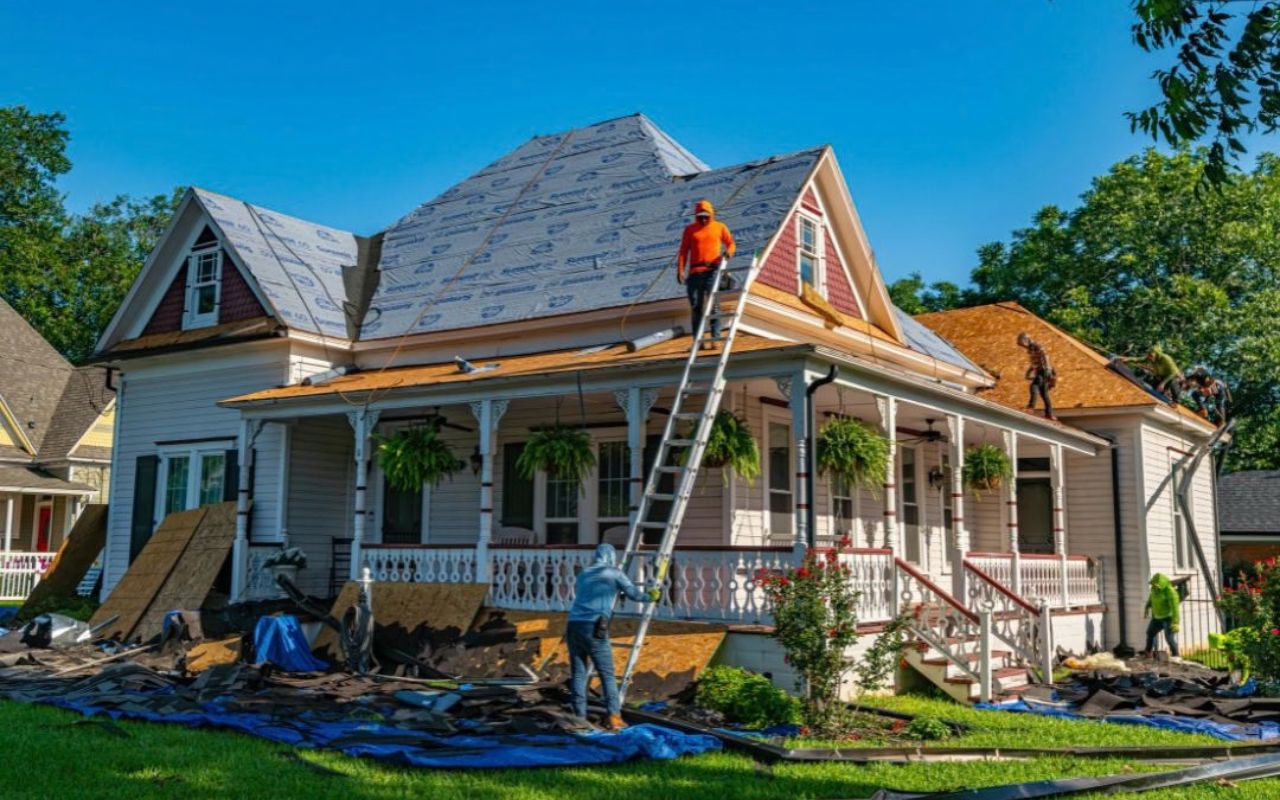
When a roof begins leaking or shows visible damage, homeowners often face an important decision. Should the problem be repaired, or would replacing the roof provide better value?
The right answer depends on more than the size of the leak. Roof age, damage extent, previous repairs and projected costs all need to be considered. A small issue on a newer roof may require only a targeted repair. Widespread deterioration on an older system may justify replacement.
At Elmans Contractors, we inspect the complete roofing system before recommending either option. This practical roof repair vs. replacement guide explains the factors that can help you make an informed decision for your Richmond home.
.jpg)
Roof repair is often the most practical solution when damage is limited and the rest of the roofing system remains in good condition. A newer roof with one small problem may still have many years of useful service ahead.
A few missing shingles, damaged flashing or an isolated leak may not justify replacing the entire roof. Repairing these issues promptly can help stop moisture from reaching the roof decking, insulation and interior finishes.
Repair may also make sense when the roof has not required frequent work and most of the shingles remain secure. The roof deck should be solid, and the source of the leak should be clear enough to correct with a targeted repair.
The availability of matching materials is another important consideration. Compatible shingles help the repaired section perform properly and maintain a consistent appearance. The cost should also be reasonable compared with the price and long-term benefits of replacement.
A professional inspection should confirm that the visible problem is truly isolated. Water can travel along the decking and framing, so a ceiling stain may not appear directly below the opening in the roof.
The condition of the surrounding shingles matters as well. Repairing one section may provide limited value if nearby materials are already cracking, curling or losing a significant amount of protective granules.
Roof replacement may offer better long-term protection when deterioration affects several parts of the system. It may also be the more economical option when an older roof requires repeated repairs.
Replacement allows the existing roofing material to be removed so the contractor can inspect the roof deck. Damaged wood, deteriorated flashing and ventilation problems can then be addressed before the new system is installed.
Consider replacement when:
Replacement costs more initially, but it provides one consistent roofing system rather than several repaired areas of different ages. It can also provide new warranty coverage when the materials and installation meet the applicable requirements.
.jpg)
Roof age is important, but it should not be the only factor in your decision. A younger roof can suffer severe storm damage, while an older roof may remain serviceable because of quality materials, proper installation and regular maintenance.
Architectural asphalt shingles commonly last for decades, but actual performance varies. Sun exposure, attic ventilation, installation quality, storms and surrounding trees can all affect how quickly a roof ages.
Repair is often more sensible when a newer roof has a small, clearly defined problem. The remaining system may still provide many years of useful service.
Replacement deserves stronger consideration when an older roof has widespread wear. Spending money on one repair may not be worthwhile if another section is likely to fail soon.
If you do not know when the roof was installed, a contractor can estimate its age by examining the shingles, flashing, installation style and overall condition. Previous permits, home inspection reports and seller documents may also contain useful information.
The size and location of the damage often determine whether a repair will provide a reliable solution.
One damaged shingle is different from wind damage across several roof planes. A small flashing leak is also different from moisture that has affected the decking and framing.
Localized damage is limited to a specific area. Examples include several missing shingles, damaged flashing around a vent or a small puncture caused by a branch.
These problems may be repairable when the surrounding materials remain sound. The contractor should inspect beyond the visible damage to confirm that moisture has not spread underneath the roofing system.
Widespread damage affects a substantial portion of the roof or appears in several separate areas. It may include extensive granule loss, cracking, lifting shingles, multiple leaks or deteriorated decking.
Repairing each problem separately may provide only temporary relief. Replacement can create a consistent system and address hidden conditions across the roof.
GAF advises homeowners to consider the roof’s age, damage extent, repair history and comparative cost when choosing between repair and replacement. Its roof repair and replacement guide provides additional guidance about evaluating these factors.
.jpg)
One leak does not always mean the roof needs replacement. Flashing failures, damaged shingles and exposed fasteners can sometimes cause isolated water entry.
Recurring leaks deserve a closer look. If the same area continues leaking after repair, the original source may not have been correctly identified. Water may also be entering from another part of the roof.
Leaks appearing in several rooms can suggest a broader problem. Aging underlayment, widespread shingle failure, poor flashing or deteriorated decking may be allowing moisture into multiple areas.
In our experience, the repair history matters as much as the current leak. A roof that needs another small repair after many trouble-free years is different from one that has required work after every major storm.
Keep records of previous repairs, including photographs, invoices and affected areas. This information can help the contractor identify patterns and determine whether another repair is likely to last.
Repair usually has a lower initial cost than replacement. That does not automatically make it the less expensive choice over time.
A well-planned repair can provide excellent value when it solves an isolated problem. However, several repairs over a short period can become expensive without correcting the overall condition of an aging roof.
Consider the following questions before deciding:
Imagine that an older roof needs one repair now, another repair next year and additional work soon after. The combined cost may represent money that could have been invested in a complete replacement.
The opposite can also be true. Replacing a healthy roof because of one minor leak may be unnecessary. An accurate inspection helps prevent both overspending and repeated short-term fixes.
.jpg)
Wind, hail and falling branches can create both visible and hidden roofing problems. The appropriate solution depends on the location and severity of the damage.
A few wind-damaged shingles may be repairable. A branch puncture may also be limited to a small area, although the decking beneath it must be inspected.
Replacement may be recommended when hail or wind affects several roof sections. The age and existing condition of the roof remain important parts of that decision.
If you believe the damage may be covered by insurance, contact your insurance company promptly. Coverage depends on your policy, deductible, cause of loss and the insurer’s assessment.
A contractor can document visible conditions and prepare a construction estimate. The insurance company determines coverage and claim payment.
A reliable recommendation should be based on more than a quick look at the shingles. The inspection should consider the visible roofing system, known repair history and accessible interior areas.
Depending on the property, an inspection may include:
The contractor should explain the source of the problem and show you the available evidence. Photographs can make it easier to understand roof areas that are not visible from the ground.
The National Roofing Contractors Association provides an asphalt shingle homeowner guide focused on inspection, maintenance and repair. Independent guidance can help homeowners ask better questions during an assessment.
A clear conversation with the contractor can help you understand whether the recommendation is reasonable.
Ask these questions before approving repair or replacement:
A professional contractor should be able to explain why a repair is sufficient or why replacement offers better value. The recommendation should be based on the roof’s condition rather than a sales preference.
Richmond homes experience heat, humidity, heavy rain, seasonal storms and occasional winter weather. These conditions can expose weaknesses in aging shingles, flashing and ventilation systems.
Homes with mature trees may face additional risks from falling branches, accumulated debris and shaded roof sections that stay damp longer. Older properties may also have several roofing layers or previous repairs that affect the available options.
Local experience helps a contractor understand these conditions, but every home still requires an individual assessment. A recommendation that was right for a neighboring property may not be right for yours.
Elmans Contractors evaluates the roof as a complete system. We look at the current damage, age, previous work and likely future needs before discussing repair or replacement.
Elmans Contractors provides clear roofing assessments for homeowners in Richmond and surrounding communities. We explain what we find, discuss repair and replacement options and provide a written estimate based on the condition of your home.
Repair may be sufficient when the leak is isolated and the surrounding roof remains in good condition. Replacement may provide better value when leaks are recurring, damage is widespread or the roof is near the end of its service life.
There is no single replacement age that applies to every roof. Material, installation, ventilation, maintenance and weather exposure all affect service life. Age should be considered alongside the roof’s current condition.
Yes, individual shingles or a small damaged section can often be replaced. The repair works best when compatible materials are available and the surrounding shingles are still serviceable.
Not always. Recurring leaks may result from one unresolved flashing or installation problem. Multiple leaks across different areas can indicate broader deterioration that may make replacement more practical.
Repair usually costs less initially, but the amount depends on the damage and required materials. Homeowners should compare the expected life of the repair with the cost and benefits of a complete replacement.
Insurance may cover damage caused by a covered event such as wind or hail. It generally does not cover normal aging or neglected maintenance. Your insurance company determines coverage under your policy.
Yes, localized storm damage may be repairable. Widespread hail, wind or structural damage may require replacement. A professional inspection is needed to understand the extent of the problem.
Choose a licensed and insured contractor who provides photographs, explains the source of damage and presents a written scope. Ask why the recommended option is expected to provide suitable long-term value.
The decision between roof repair and replacement should be based on evidence rather than guesswork. Roof age, damage extent, recurring leaks and projected costs all matter.
Repair is often the right choice for a newer roof with a small, isolated problem. Replacement may be more practical when the system has widespread wear, repeated leaks or a history of costly repairs.
The most useful next step is a thorough inspection. Once you understand the cause of the problem and the condition of the remaining roof, you can choose the solution that protects your home without paying for unnecessary work.